Investment Magazine / Hussein Daghshar
The General Investment Authority has launched concrete steps to implement the new Investment Law No. (3) of 1446H, marking a pivotal shift towards activating projects and expanding public-private partnerships. This move reflects the government's broader strategy to foster a more stable and attractive investment environment.
Approved earlier this year, the law introduces a comprehensive set of incentives and guarantees, including equal treatment for local and foreign investors, the establishment of economic courts, tax and customs exemptions, support for small and medium enterprises, and the launch of digital tools for project registration and follow-up.
Expansive Engagement
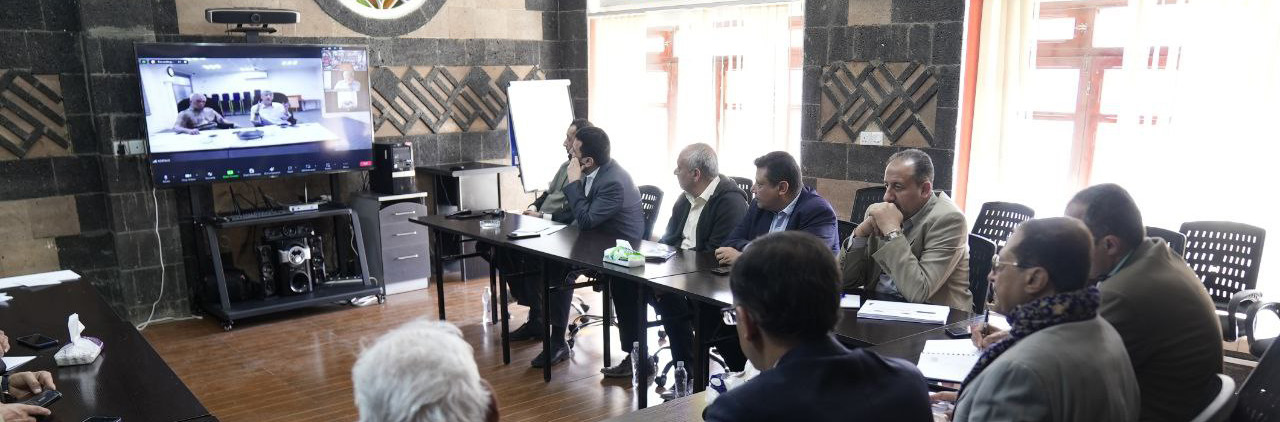
In the capital Sana'a, a high-level meeting brought together government leaders and representatives of the chambers of commerce and industry to review key articles of the new law and discuss its implementation mechanisms.
Yasser Al-Mansour, Chairman of the General Investment Authority, emphasized that the law is the outcome of extensive consultations and now serves as a "clear roadmap for investors."
Prominent business figures such as Mohammed Salah and Mohammed Abdo Saeed offered feedback, calling for practical promotion of the law and more direct engagement with Yemeni investors abroad.
Agricultural Projects in Hajjah
In Hajjah Governorate, authorities agreed to convert agricultural cooperatives into production entities and support joint investment projects backed by national institutions and the General Investment Authority.
Special attention was given to the implementation of contract farming—one of the law’s new provisions—aiming to give farmers fair market access and strengthen food security.
Infrastructure and Tourism Development in Hodeidah
Local authorities in Hodeidah have officially launched the implementation of the new law under the slogan, “Investment in Yemen... A New Vision.”
Plans include the creation of an integrated coastal tourism zone, alongside projects in the food processing sector, youth economic empowerment, and light manufacturing.
Electronic platforms such as “Tashil” and the unified customs window were introduced to reduce bureaucratic hurdles and facilitate investor processes.
Governor Abdullah Otifi urged both local and foreign investors to seize the growing investment opportunities in the region.
Real Projects Underway in Ibb
Ibb Governorate recently inaugurated its first major tourism investment under the new law—a comprehensive hotel and leisure complex in the Haratha area—with a total investment of 8 billion Yemeni riyals.
Tourism and service-based investments, including hotels, parks, and restaurants, are among the most successful in Ibb due to its appealing climate, diverse geography, and lush landscapes year-round.
Governor Abdulwahid Salah reaffirmed the local authority's support for investors, while Tourism Director Ghanem Awsaj highlighted the project’s potential to enhance Ibb’s standing as a tourism hub and generate new job opportunities.
Reviving Existing Projects in Sana’a
Elsewhere, the Movenpick Hotel in Sana’a is set to undergo restoration and reopening following an announcement by the operating company, in coordination with international consulting firms.
This initiative came after an official visit by the Ministers of Economy and Culture, signaling the government’s commitment not only to new projects but also to rehabilitating stalled investments.
Despite challenges accompanying the law’s implementation, the current phase presents promising opportunities to translate its provisions into tangible results—by removing obstacles and providing a secure legal and economic environment that reassures and motivates investors.
The activation of the new investment law marks a significant milestone in Yemen’s economic transformation, reflecting the state’s determination to cultivate a safe, attractive investment climate. The upcoming phase is a chance to demonstrate Yemen’s serious intent to establish a dynamic development partnership with the private sector and advance industrial localization toward greater self-sufficiency and enhanced local production.