Al-Hodeidah – Investment Magazine
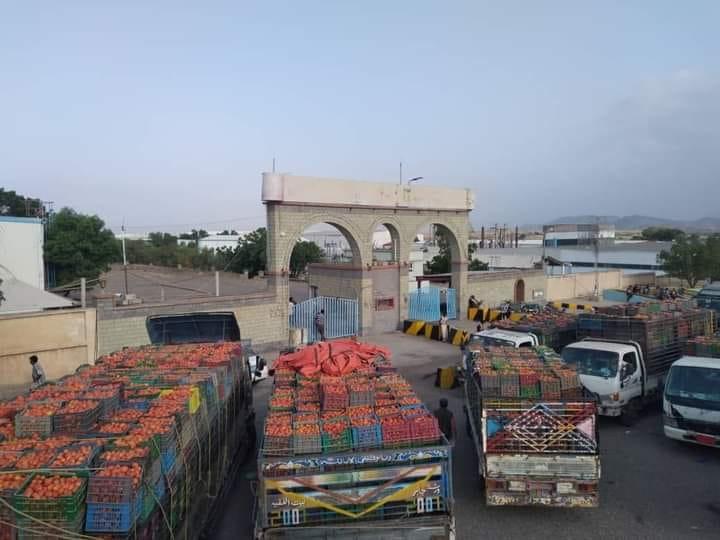
After years of inactivity due to the war, Bajil Food Industries Complex has resumed operations as part of a strategic plan aimed at localizing the food industry and enhancing self-sufficiency. This revival comes with a new vision focused on partnership with the private sector, opening investment opportunities to support local production, reduce reliance on imports, and strengthen Yemen’s industrial base.
A Long History and Economic Impact
Established in 1982, Bajil Food Industries Complex is located 47 km northeast of Al-Hodeidah. Since its inception, it has been a cornerstone of the national economy, producing tomato paste, mango pulp, and legumes. However, operations ceased in March 2015 due to the war, which caused severe damage to its infrastructure and significantly impacted farmers and workers who relied on the complex to market their agricultural products.
Restarting Operations and Infrastructure Development
In mid-2020, the complex was restarted under the directives of the revolutionary and political leadership, reaffirming the importance of supporting local production to achieve self-sufficiency. The facility boasts a fully integrated infrastructure, including warehouses, a power station, a solar panel system, steam boilers, artesian wells, compressed air generation units, and administrative buildings, enhancing its operational efficiency.
Advanced Production Capacity
The complex is equipped with modern production lines capable of processing agricultural crops, making it an attractive destination for investors. Its production lines include:
- Three tomato paste production lines with a daily capacity of 1,500 tons.
- Two legume production lines with a capacity of 15,000 cartons per day, covering fava beans, green peas, red and white beans.
- A mango pulp production line with a capacity of 8 tons per hour.
- Two can manufacturing lines producing various packaging sizes for tomato paste and legumes.
Currently, the complex is implementing development plans to expand its legume production capacity and introduce new production lines for juices and empty cartons, ensuring it meets growing market demand while enhancing competitiveness.
Economic and Strategic Importance
Bajil Food Industries Complex is a key pillar of the national economy, providing high-quality local food products while supporting farmers by purchasing their crops and creating employment opportunities. Additionally, it plays a crucial role in reducing the country’s import bill, thereby strengthening economic independence.
Private Sector Partnership to Drive Growth
The new vision for the complex emphasizes collaboration with the private sector to increase production, develop infrastructure, and expand its contribution to the national economy. This public-private partnership is expected to create new investment opportunities that drive sustainable development.
Despite the challenges, Bajil Food Industries Complex remains a symbol of resilience and national investment, reflecting Yemen’s determination to achieve self-sufficiency and enhance local production. It stands as a successful model for industrial revival, proving that economic progress is possible even in difficult circumstances.
Comments